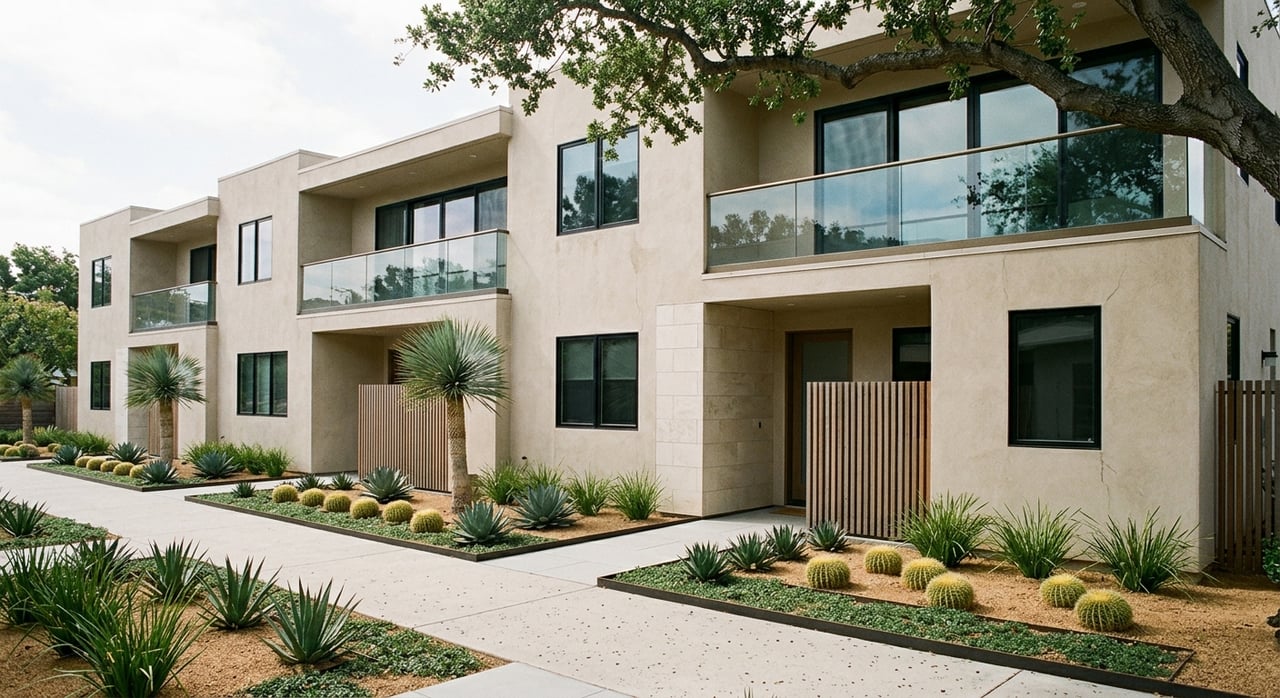
University City Condo & Townhome Living Near UCSD
April 2, 2026
April 2, 2026
If you want to live near UC San Diego without taking on the upkeep of a detached home, University City deserves a close look. This area puts campus, transit, health care, shopping, and everyday conveniences within easy reach, which is a big reason condos and townhomes continue to stand out here. Whether you are relocating for work, buying your first home near UCSD, or simply looking for a lower-maintenance lifestyle, understanding how attached housing works in this neighborhood can help you make a smarter move. Let’s dive in.
University City is shaped by access and connection. The University Community Plan Update approved by the City of San Diego emphasizes more homes, jobs, and mixed-use development tied to UC San Diego, hospitals, retail centers, public spaces, and transit.
That matters if you are considering a condo or townhome. In a neighborhood designed around mobility and convenience, attached housing often lines up well with the way people want to live here. You get proximity to major destinations without the full exterior maintenance load that often comes with a detached property.
For many buyers, that means a more practical path to ownership near campus and the broader UTC area. It can also mean easier day-to-day living if your priorities include commute efficiency, lock-and-leave flexibility, and access to services close by.
One of the strengths of University City is variety. Attached homes here are not all the same size, style, or layout, which gives you more ways to match your budget and lifestyle.
Based on recent local inventory examples in the research report, condos can range from compact 1-bedroom homes around 578 to 704 square feet to 2-bedroom layouts around 816 to 1,086 square feet, with some 3-bedroom condos around 1,376 square feet. Townhomes often offer more space, including 2-bedroom layouts around 1,368 to 1,967 square feet, 3-bedroom homes around 1,380 to 2,074 square feet, and some larger 4-bedroom options around 2,817 square feet.
That range is helpful if you are trying to balance price, space, and location. A smaller condo may work well if you want a simpler footprint near campus, while a townhome may give you more separation of space, extra storage, or room for a home office.
Many attached homes in University City include features buyers actively seek, such as:
Another detail worth knowing is that many communities date to the 1980s. That means you may see a mix of original-condition units and remodeled interiors in the same general area, which can create very different value propositions from one home to the next.
For many buyers, the biggest lifestyle benefit of University City is how easily it connects you to UC San Diego and other key destinations. If you want to drive less or shorten your daily routine, this neighborhood offers real advantages.
According to MTS Blue Line service information, the trolley connects downtown San Diego with UC San Diego and includes stops such as UTC Transit Center, Executive Drive, UC San Diego Health La Jolla, UC San Diego Central Campus, and VA Medical Center. That gives residents multiple transit touchpoints close to work, campus, and medical facilities.
UC San Diego also notes that the campus and surrounding area are served by several transit routes, including routes 30, 41, 101, the 201/202 SuperLoop, and campus programs such as U-Pass for eligible students and reduced-cost transit options for some faculty and staff. The university also operates fare-free Triton Transit shuttle connections that improve movement across key campus locations.
If you are a relocating faculty member, staff member, researcher, or health care professional, this kind of access can simplify more than your commute. It can also reduce parking stress, create more flexibility in your schedule, and make it easier to enjoy the neighborhood without relying on your car for every trip.
University City also benefits from its proximity to UTC retail and dining. Westfield UTC remains a major lifestyle anchor for the area, with retail, dining, community gathering spaces, free Wi-Fi, and EV charging, plus phased additions tied to its Luxury Evolution project beginning in early 2026.
For you as a homeowner, that means daily convenience is part of the value equation. Groceries, dining, services, and social outings can all sit within a relatively compact area, which is one reason attached living feels so natural here.
When you buy a condo or townhome in University City, the homeowners association is not just background information. It is a major part of your ownership experience and monthly cost.
The California Department of Real Estate explains that buyers in condominium and other common-interest developments should receive or request public report information that includes CC&Rs, HOA costs, assessments for common areas, and other material details before becoming obligated. The DRE also warns that underfunded HOAs can lead to deferred maintenance, large special assessments, and even financing or resale challenges. You can review those buyer considerations through the California DRE's condominium public report guidance and its consumer alert on underfunded HOAs.
That is especially important in a market where amenities vary widely from one community to another. Based on examples in the research report, monthly HOA dues in University City have recently ranged from about $325 to $666, often depending on amenity level and community structure.
If you are comparing two similar homes, look beyond the list price. Review the full monthly cost and the health of the HOA.
Here are a few smart questions to ask:
A lower HOA fee is not always the better deal if it points to underfunded reserves or major repairs ahead. In the same way, a higher fee may be easier to justify if it supports strong reserves, better maintenance, and amenities you will actually use.
For buyers who want to stay near UCSD and the coastal employment corridor, University City often stands out as a more accessible entry point than some nearby neighborhoods. That does not mean it is inexpensive. It does mean your budget may stretch differently here.
The research report notes recent market snapshots showing a median sale price of $827,000 in University City, compared with $2.4 million in La Jolla and $1.4 million in Pacific Beach. Those figures cover neighborhood medians across home types, but they still help show the pricing gap.
For you, the tradeoff is usually clear. In University City, a condo or townhome may offer a more attainable way to buy in a well-connected San Diego location near campus, employment, and shopping. In exchange, you are typically choosing shared amenities and less exterior responsibility instead of detached-home autonomy and private lot control.
Attached housing in University City can work well for several types of buyers, especially when convenience is a top priority.
If you are moving for a university, research, biotech, or medical role, the neighborhood's access to campus, transit, and services can make the transition easier. A condo or townhome may also reduce the amount of maintenance you need to manage while settling into a new city.
If you value simplicity, attached living can be appealing. Exterior maintenance and many shared amenities are often handled through the HOA, which may free up time and reduce some of the upkeep that comes with a detached property.
A townhome can offer a middle ground between apartment living and a single-family home. Depending on the layout, you may get multiple levels, private outdoor space, direct-access parking, and room for guests or work-from-home needs.
Before you buy in University City, think about how you will use the home every day. A great floor plan on paper may not feel right if the parking setup, transit access, monthly HOA cost, or community rules do not match your routine.
A few practical factors to weigh include:
This is where local guidance can make a real difference. In a neighborhood with varied communities, older building stock, and a wide spread in layouts and dues, the right choice is often about fit more than just price per square foot.
If you are exploring condo or townhome living in University City, working with a local team that understands relocation needs, neighborhood differences, and the details behind each community can save you time and help you buy with more confidence. When you are ready to talk through your options, connect with FW Property Group.
Stay up to date on the latest real estate trends.



We pride ourselves in providing personalized solutions that bring our clients closer to their dream properties and enhance their long-term wealth. Contact us today to find out how we can be of assistance to you!