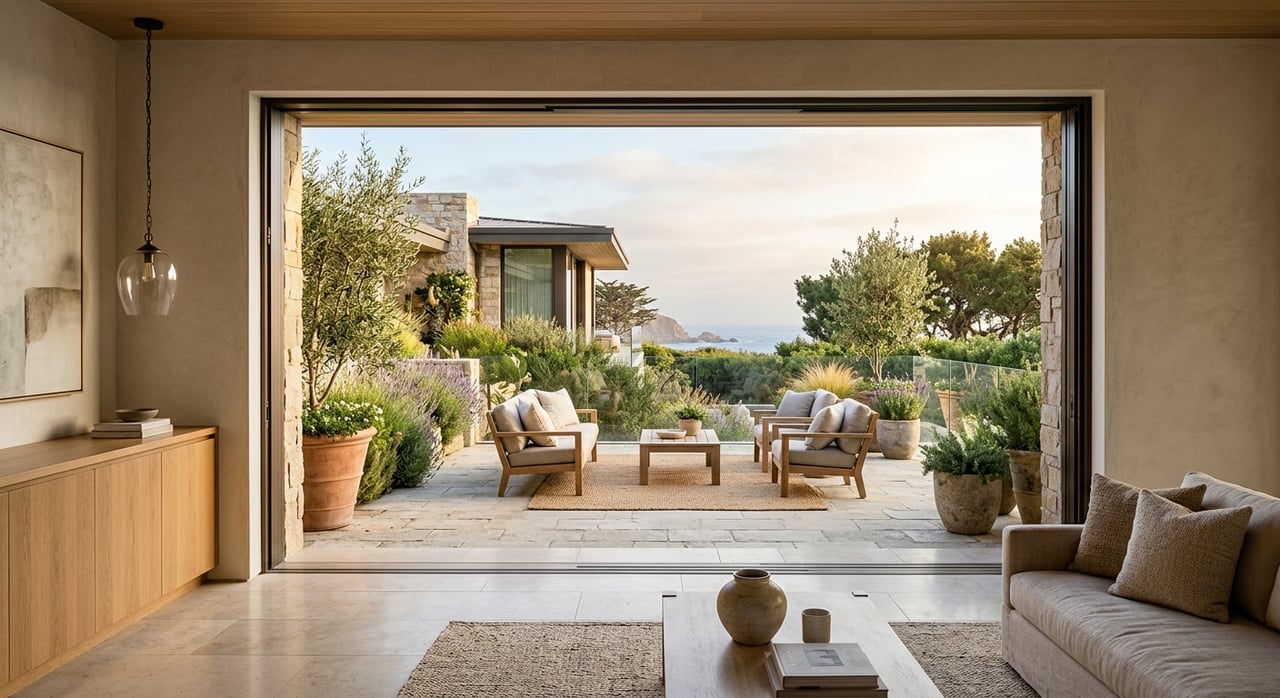
La Jolla luxury home marketing to showcase coastal life
April 16, 2026
April 16, 2026
If you are selling a luxury home in La Jolla, great square footage alone is not enough. Buyers here are not just comparing bedrooms and baths. They are comparing views, beach access, walkability, architecture, and the feeling of living near one of Southern California’s most recognized coastal communities. The right marketing strategy turns those details into a clear story, and that story can shape how your home is perceived from the very first click. Let’s dive in.
La Jolla is not a one-note market. According to the City of San Diego’s La Jolla community profile, the area includes distinct pockets like the Village, the Shores, and Bird Rock, all shaped by beaches, ocean bluffs, canyons, hillsides, and Mount Soledad. That means a luxury listing should do more than describe a property. It should explain where the home sits within the broader La Jolla lifestyle.
It also matters that La Jolla is largely built out. The community plan notes that the area is about 99% developed, with growth mainly happening through infill rather than major new land supply. In practical terms, that makes differentiation even more important. Buyers are often paying for a specific setting, orientation, level of renovation, or coastal experience, not just a generic location.
Current pricing reinforces the stakes. Public market trackers cited in the community plan place La Jolla firmly in the multimillion-dollar range, with reported median sale and listing prices well above $2 million. In that environment, luxury marketing should feel precise, polished, and location-aware from day one.
In La Jolla, lifestyle is often the headline. A home near La Jolla Cove should be marketed differently from one near the Shores, Windansea, or the Village because each setting offers a different day-to-day rhythm. The Cove is known for its dramatic sandstone cliffs and water access for swimming, snorkeling, and scuba diving, while La Jolla Shores adds a broader beach experience and the city’s only beachfront boat launch at Kellogg Park.
That micro-location story helps buyers picture how they would actually live in the home. A Village property may lean into walkability, dining, galleries, and cultural destinations. A Shores home may highlight beach mornings, kayaking, and indoor-outdoor entertaining. A Bird Rock property may focus on neighborhood convenience, coastal views, and a more residential pace.
La Jolla also offers more than beaches alone. The city links the community to cultural and educational anchors like UC San Diego, Scripps, Birch Aquarium, La Jolla Playhouse, the Mt. Soledad National Veterans Memorial, and the Museum of Contemporary Art San Diego. For many luxury buyers, that broader context adds depth and value to the lifestyle story.
Luxury buyers often meet your home online before they ever step inside. The National Association of Realtors reports that buyers consistently rank listing photos among the most useful parts of an online search, with many also valuing detailed property information and floor plans. That makes visual presentation one of the most important parts of your launch strategy.
For a La Jolla listing, photography should do more than document rooms. It should frame the property as an experience. That usually means leading with the strongest exterior or view image, then moving through key interior spaces in a sequence that highlights light, flow, and connection to outdoor living.
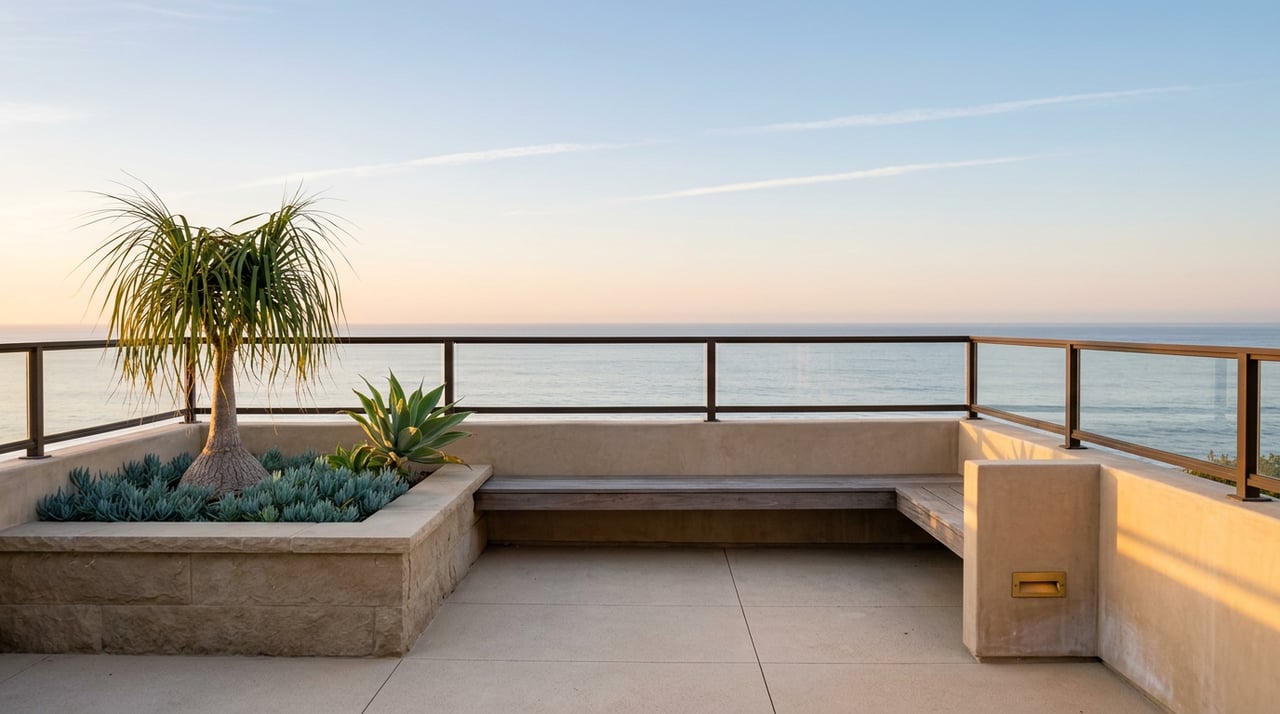
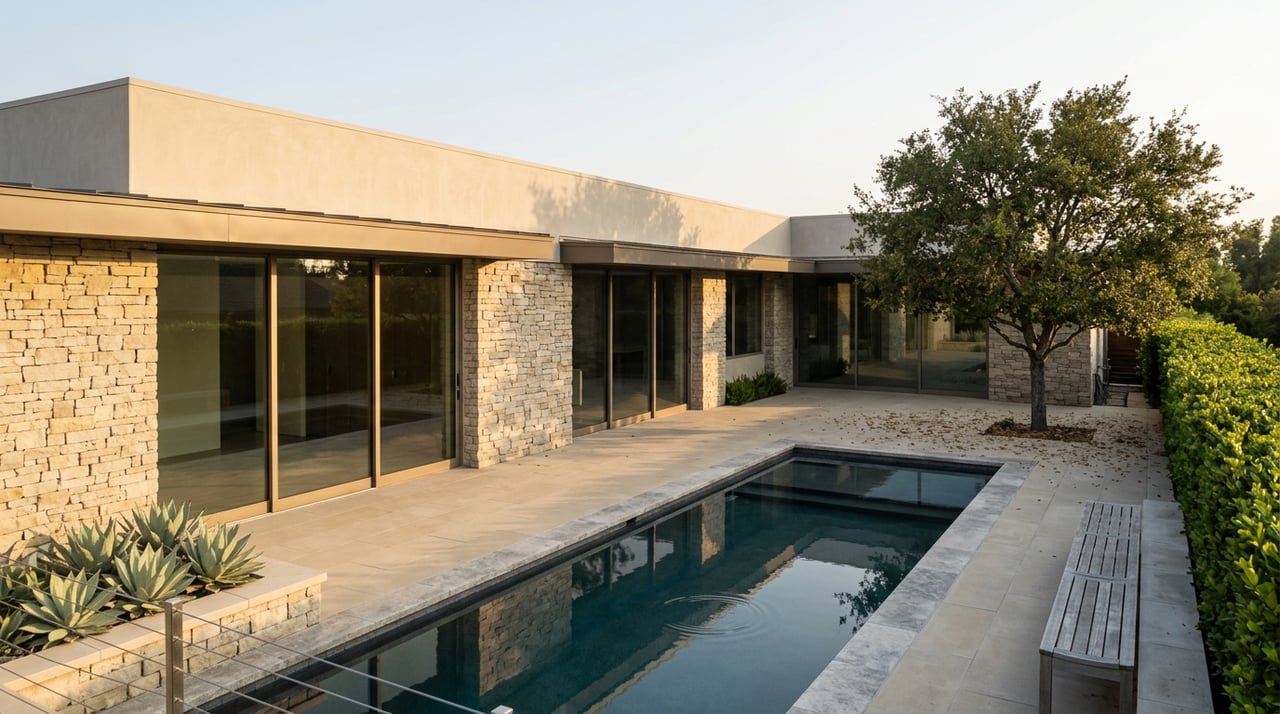
This is especially important in coastal homes where terraces, patios, pools, sliding glass walls, and view corridors can carry as much emotional weight as the interior finishes. Professional floor plans and virtual tours also help buyers understand how the home lives, which is critical when out-of-area or relocating buyers are narrowing choices online.
Generic luxury language tends to blur together. In a market like La Jolla, buyers respond better when listing copy is concrete and place-based. Instead of relying on broad phrases like "stunning home" or "resort-style living," your marketing should connect features to actual use.
For example, a view terrace is not just a terrace. It may be a sunset-facing outdoor room. A flexible bonus space is not just an extra room. It may function as a guest suite, office, fitness area, or media lounge depending on the home’s layout. NAR also notes that buyers look for practical details like energy-efficient upgrades, smart-home features, and usable outdoor spaces, which can be especially compelling in high-end coastal properties.
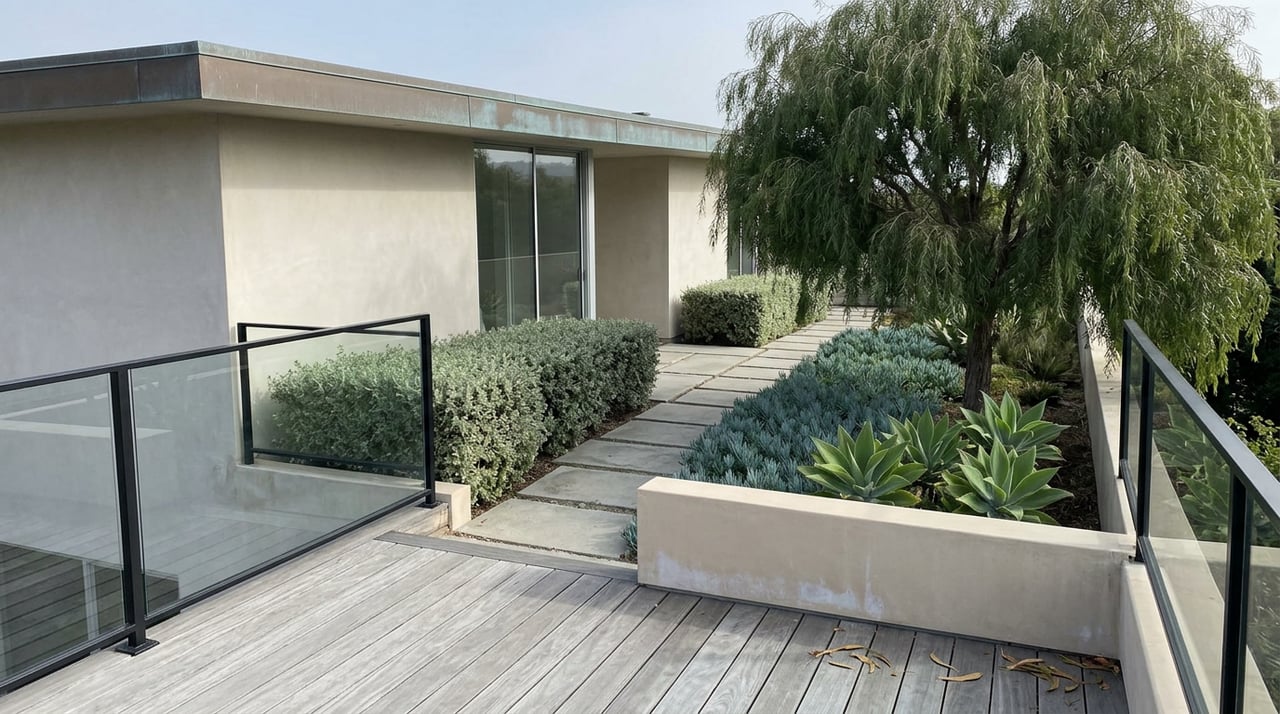
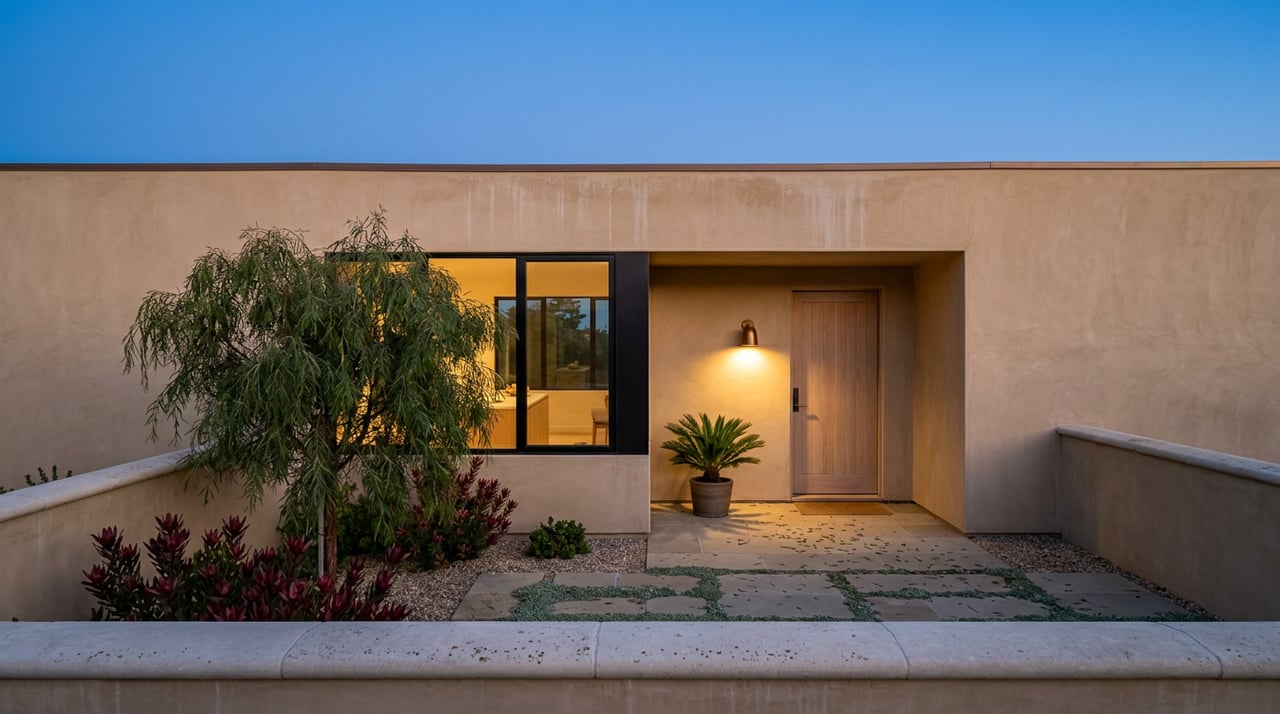
Architectural detail matters, too. Because La Jolla’s development history includes smaller coastal cottages, Village homes, and infill redevelopment, the quality of renovation and the relationship between original character and modern updates can be a real selling point. That is why strong marketing should call attention to lot orientation, indoor-outdoor flow, finish quality, and meaningful improvements rather than leaning on room counts alone.
Staging is not about making a home look busy. It is about helping buyers quickly understand scale, purpose, and mood. According to a 2025 NAR home staging snapshot, 83% of buyers’ agents said staging made it easier for buyers to visualize a property as their future home.
In La Jolla, that often means editing the home so the coastal setting stays front and center. Furniture placement should support sight lines to the view, define outdoor entertaining zones, and make flexible spaces feel intuitive. The goal is not to distract with decor. It is to help buyers imagine an elevated but livable coastal routine.
This is where thoughtful pre-listing preparation can make a difference. Cosmetic touch-ups, finish updates, lighting improvements, and selective staging can all strengthen how a home shows in person and online. In a luxury segment, those decisions often shape first impressions more than sellers expect.
A luxury listing launch should be planned, not improvised. NAR’s online visibility guidance notes that buyers rely on saved searches, listing alerts, email, and social feeds, and that the first few days online are especially important. If your listing goes live before the visuals, copy, and rollout are fully aligned, you may lose momentum when attention is highest.
That is why strong marketing usually includes coordinated timing across MLS, digital platforms, social media, and agent outreach. The goal is to present the home as a complete package from the start, with editorial-quality visuals, clear property details, and a compelling location story that encourages buyers to act.
For La Jolla sellers, this digital-first approach is not optional. It reflects how buyers actually shop, especially at higher price points where relocation buyers, second-home buyers, and time-constrained professionals may preview many homes remotely before deciding which ones merit a visit.
High-end buyers tend to look closely at details, and your listing should help reduce uncertainty early. In La Jolla, common questions often include beach proximity, outdoor living quality, view orientation, nearby parks and recreation, school assignments, and whether prior work appears properly documented.
The city’s community profile lists public school options such as Bird Rock Elementary, La Jolla Elementary, Torrey Pines Elementary, Muirlands Middle, and La Jolla High, along with private and charter options. Used carefully and factually, those are relevant location details that help buyers understand the area without making subjective claims.
Infrastructure and access can also support the story. For example, the city’s Torrey Pines Road project is intended to improve pedestrian access, bicycle facilities, accessibility, traffic flow, and safety between Prospect Place and La Jolla Shores Drive. For some listings, that provides useful context for walkability and everyday convenience.
In coastal markets, marketing is not just about aspiration. It is also about clarity. The California Coastal Commission states that development in the coastal zone generally may not begin until a coastal development permit has been issued, and that this permit is separate from other approvals. The Commission also advises property owners to check permit needs early to avoid delays and added costs.
That matters for luxury sellers because buyers may ask about additions, grading, exterior changes, fences, demolition, or other prior work. The Commission broadly defines coastal development, and its enforcement guidance makes clear that documentation can be important when evaluating a property. When permits and improvement records are organized before launch, buyers can review the home with more confidence.
In other words, part of showcasing luxury life in La Jolla is making the ownership story feel as polished as the visuals. A beautiful listing gets attention. A well-documented listing helps keep deals together.
The best luxury marketing in La Jolla combines emotion and proof. It shows the coast, but it also explains the location. It captures beautiful rooms, but it also helps buyers understand layout, updates, outdoor living, and the value of the setting.
A thoughtful strategy often includes:
When those pieces come together, your listing does more than look expensive. It feels credible, memorable, and worth pursuing.
If you are preparing to sell in La Jolla, the right strategy can help your home stand out in a market where buyers expect both beauty and substance. FW Property Group brings a high-touch, locally informed approach to listing preparation, presentation, and digital marketing so your home is positioned to capture attention and inspire confidence from the start.
Stay up to date on the latest real estate trends.

We pride ourselves in providing personalized solutions that bring our clients closer to their dream properties and enhance their long-term wealth. Contact us today to find out how we can be of assistance to you!