What a Mills Act Tax Contract Means for San Diego Buyers
August 27, 2026
August 27, 2026
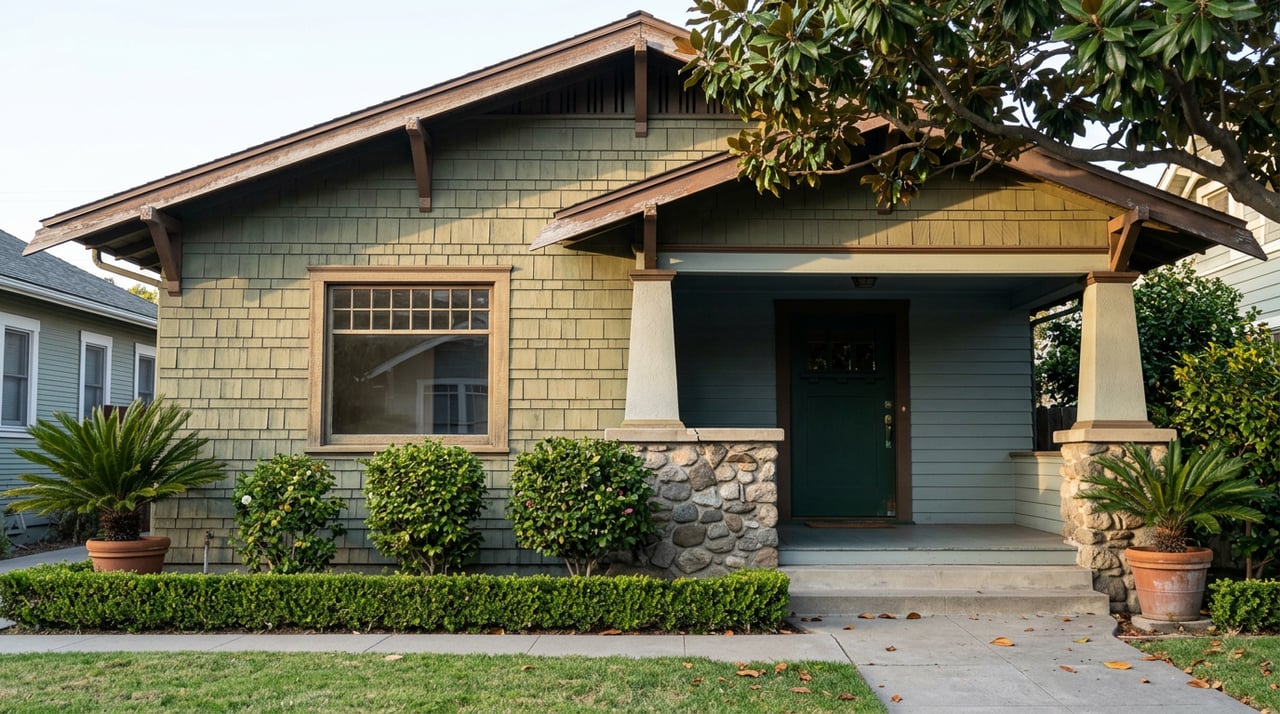
A buyer walks a 1920s Craftsman in North Park's Dryden District and hears the number that makes the offer make sense: property taxes cut by half, sometimes more, because the home carries a Mills Act contract. It sounds like a discount the seller is passing along. It isn't. It's an agreement whose initial term is ten years, as the City of San Diego explains. San Diego County notes that the buyer is about to inherit it whether they've read it or not, with terms that continue beyond the current owner.
That distinction changes how a serious buyer or seller should treat the number on the listing sheet.
Here's the part that catches people off guard: San Diego's Mills Act program, adopted by the City Council in 1995 under Council Policy 700-46, values a designated historic property. For most owners this produces real savings, typically in the 20 to 70 percent range on the annual bill. But an owner who's held the property for decades may receive no personal tax benefit from applying.
So why would a longtime owner in Mission Hills or Kensington go through the paperwork, the photographic survey, a maintenance plan, and the Historic Resources Board hearing for a tax cut they'll never feel?
Because the contract runs with the land, not the owner. A seller with no personal benefit can still pursue a Mills Act agreement to hand a future buyer a tax reduction. San Diego County's program materials note this directly: even owners who receive no benefit themselves often apply because the contract becomes a selling point for a buyer. The tax break isn't a reward for the seller's stewardship. It's an asset built for the next name on the deed.
This is also the quiet reason Mills Act homes in North Park's older pockets, especially the Craftsman-heavy Dryden District roughly between 28th and Pershing streets, tend to draw sharper competition than architecturally similar homes without a contract in place. A buyer who purchases a home already under Mills Act starts with an existing contract. A buyer who falls in love with an eligible but undesignated bungalow next door has to go through the application process: the City of San Diego accepts Mills Act applications only between January 1 and March 31 each year, and the property has to already carry local historic designation by December 31 of the prior year to qualify for that cycle.
That single calendar detail is worth pausing on. Miss the window, or discover your dream house was designated in April, and you're looking at waiting for next year's application period.
| Buying a home with an existing Mills Act contract | Buying an eligible home without one | |
|---|---|---|
| Contract status | Existing contract in place | No existing contract |
| At purchase | Contract is in place | Application window is Jan 1 to March 31 annually; designation must predate Dec 31 of the prior year |
| What you inherit | Tax benefit and preservation obligations, both recorded against the property | Nothing until designation and contract are approved |
| Risk | Obligations you didn't negotiate | Uncertainty over whether the Historic Resources Board approves designation at all |
The tax relief is only half of what transfers. A Mills Act contract requires the owner to maintain the property's historic character consistent with the Secretary of the Interior's Standards, and changes visible from the public right of way, a new fence line, replacement windows in a different style, an altered facade, generally require review and approval from the city's historic resources staff before work begins.
A buyer who assumes the low tax bill is the whole story can be surprised months later when a kitchen remodel or a new roofline triggers a city review they didn't know applied to them. That review isn't optional and it isn't a formality. It's a condition of the contract they took on at closing.
The exit mechanics deserve equal attention, because they're asymmetric in a way that trips people up. A Mills Act agreement's initial term is ten years, but it renews automatically each year, which keeps a rolling ten years remaining on the contract indefinitely. Either the property owner or the city can serve notice to stop that automatic renewal. Once that notice is filed, though, the agreement doesn't end immediately. It continues to its current expiration date, which by design is still roughly ten years out from the date the notice was recorded.
In practice, that means a buyer who inherits a contract they didn't want, maybe they'd rather have full freedom to modify the exterior without review, can't simply walk away from it at closing. Filing to stop renewal starts a clock that runs about as long as a brand-new agreement would.
If a listing mentions Mills Act, or if you're touring anything built before the 1940s in North Park, South Park, Mission Hills, Kensington, University Heights, Hillcrest, Normal Heights, or Marston Hills, the due diligence list looks different than a standard purchase:
None of this shows up on a standard property disclosure at a glance. It has to be pulled and read.
Does a Mills Act home have to be open to the public? No. That requirement existed under the original program but was removed by state legislation in 1985, as UHHS-UHCDC reports; the number of properties entering the program increased substantially afterward.
Can I add a Mills Act contract to a home that doesn't have one? Only after the property receives local historic designation from the city, which is a separate process from the Mills Act application itself. Designation must be in place by December 31 to apply in the following year's January through March window.
If you're weighing a historic property in one of San Diego's older neighborhoods, whether you're the one trying to understand what you'd inherit or the one deciding whether a Mills Act application makes sense before you list, the contract details matter more than the headline savings number. FW Property Group works through exactly this kind of transaction detail with buyers and sellers across San Diego's coastal and inland neighborhoods. Request your free home valuation and we'll walk through what a specific property's Mills Act status actually means for your offer or your listing price.
This article is general information, not legal, tax or financial advice. Consult a qualified professional about your situation.
Stay up to date on the latest real estate trends.








We pride ourselves in providing personalized solutions that bring our clients closer to their dream properties and enhance their long-term wealth. Contact us today to find out how we can be of assistance to you!